Urban Biodiversity Restoration: How Cities Can Bring Nature Back
The world is still in the process of rapid urbanization which is turning forests, wetlands and grasslands into cities and infrastructures. Although development helps in economic growth, it tends to decrease biodiversity and interfere with natural ecosystems. Luckily, most cities are currently taking measures in order to reestablish biodiversity in urban space. The ecological balance can be restored by incorporating nature in urban development, which will enhance the living standards of the populations.
The Importance of Urban Biodiversity
Urban biodiversity is defined as the diversity of plants, animals and micro organisms that inhabit cities. The amount of green spaces like parks, rooftop gardens and roadside trees may serve as valuable wildlife habitats even in smaller areas.
Going Greener: An Infrastructure Restoration
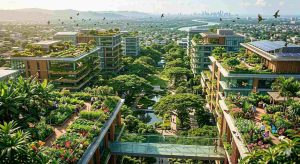
Green infrastructure is important in the restoration of biodiversity in cities. The use of green roofs, rain gardens, and urban forests among other features, simulates the appearance of a natural ecosystem in the developed space. The solutions minimize heat, absorb carbon dioxide, and enhance storm water management. Meanwhile, they also provide a habitat that enables the wildlife to revert to urban settings.
Urban Ecology Community Participation
Local communities play a very vital role in restoration processes of biodiversity. Technology is hence significant in the construction of environmentally friendly cities.