Sewer Relining: The Quiet Revolution in Sustainable Infrastructure
Urban wastewater systems are aging fast, and traditional repair methods often involve digging up roads, disrupting communities, and generating large amounts of waste. Data from the American Society of Civil Engineers shows that aging sewer systems are a major contributor to water loss and environmental pollution in cities. Against this backdrop, a quieter, less invasive solution is gaining ground, one that reshapes how infrastructure is repaired without tearing cities apart.
One of the most promising approaches is sewer relining (relinen riool), a method that restores damaged pipes from within rather than replacing them through excavation. This trenchless technique minimizes surface disruption while addressing structural issues underground. As cities look for ways to modernize infrastructure without worsening environmental strain, this method offers a practical and forward-thinking alternative.
How Sewer Relining Works
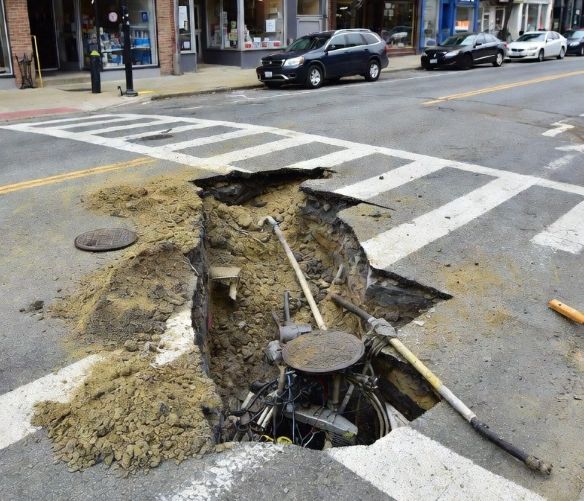
At its core, sewer relining involves inserting a flexible liner coated with resin into an existing damaged pipe. Once in place, the liner is inflated and cured, forming a new, durable pipe within the old one. The process requires minimal digging, often limited to small access points, which reduces the need for heavy machinery and large-scale excavation.
Engineers and urban planners have increasingly turned to trenchless pipe rehabilitation because it extends the life of existing systems while avoiding the costs and impacts of full replacement. Research from the Water Environment Federation highlights that these methods can significantly reduce repair time and limit disruption to surrounding ecosystems.
Despite its simplicity, the technology behind pipe relining is advanced. Materials are designed to resist corrosion, handle pressure changes, and last for decades. As a result, cities can upgrade their underground networks without the visible scars often left by traditional construction projects.
Why It Matters for Urban Ecosystems
Conventional sewer repairs often disturb soil layers, damage plant roots, and disrupt local wildlife habitats. In dense urban environments, this can lead to a cascade of environmental issues, from increased erosion to reduced green space health. Trenchless solutions, by contrast, preserve much of the surrounding environment.
Environmental experts note that minimizing soil disruption helps maintain natural water absorption and reduces runoff. The Environmental Protection Agency has emphasized the importance of protecting urban soil systems as part of broader sustainability efforts. This emphasis on environmental stewardship mirrors how environmental education empowers communities, enabling people to understand ecological relationships and participate in decisions that affect local environments. By avoiding large trenches, modern pipe lining techniques support both ecosystem health and community engagement in sustainable practices.
Air quality also benefits. Traditional excavation requires heavy equipment that emits greenhouse gases. With less machinery involved, trenchless rehabilitation reduces emissions and contributes to cleaner urban air. This becomes especially important in cities already struggling with pollution and climate-related challenges.
Long-Term Sustainability Benefits
Beyond immediate environmental gains, the long-term advantages of relining technologies are substantial. One key benefit is waste reduction. Instead of removing and discarding old pipes, the existing structure is reused as a base for the new lining. This approach aligns with circular economy principles, where materials are preserved and reused whenever possible.
Energy savings are another important factor. Studies referenced by the International Society for Trenchless Technology indicate that trenchless methods typically require less energy compared to traditional excavation and replacement. Lower energy use translates into fewer emissions and reduced operational costs over time.
Durability also plays a role in sustainability. Relined pipes are designed to last for decades, which reduces the frequency of repairs and the associated environmental impact. Over time, this creates a more stable and resilient infrastructure system that can better handle growing urban demands.
These benefits extend to communities as well. Fewer road closures, less noise, and reduced construction timelines make infrastructure upgrades less disruptive to daily life. In this sense, trenchless pipe restoration improves both environmental and social sustainability.
The Future of Eco-Friendly Cities
As cities continue to grow, the demand for sustainable infrastructure solutions will only increase. Governments and planners are beginning to recognize that traditional methods are no longer viable on a large scale, especially in densely populated areas. Instead, attention is shifting toward innovative approaches that balance efficiency with environmental responsibility.
Pipe rehabilitation technologies, including cured-in-place lining and similar methods, are likely to become standard practice in future urban planning. These approaches align with broader sustainability goals, such as reducing carbon footprints and preserving natural resources. The United Nations Environment Programme has consistently highlighted the need for infrastructure solutions that support long-term environmental health.
Final Thoughts
Looking ahead, integration with smart city systems may further enhance these techniques. Sensors and monitoring tools could be embedded within relined pipes, allowing for real-time data collection and predictive maintenance. This would reduce the risk of sudden failures and ensure that systems remain efficient over time.
The shift toward trenchless sewer repair reflects a deeper change in how cities approach development. Instead of prioritizing speed and scale alone, there is a growing emphasis on sustainability, resilience, and community impact. In this evolving landscape, modern pipe lining solutions stand out as a practical and forward-looking choice.
Quietly but effectively, these innovations are transforming urban infrastructure. By reducing waste, lowering emissions, and preserving the environment, they offer a path toward cities that are cleaner, smarter, and more sustainable for future generations.