Environmental Education: An Empowerment within Communities
The environmental issues are increasingly becoming bigger and more complicated.
With that, education becomes an important force of sustainability. Formal environmental education programs assist people to comprehend the following aspects. It includes ecological systems, climate accountability and the ecological repercussion of human action in the long run. Through the translation of scientific knowledge into forms of easy learning, the communities would be in a better position to contribute towards environmental protection.
Between Awareness and Practical Application
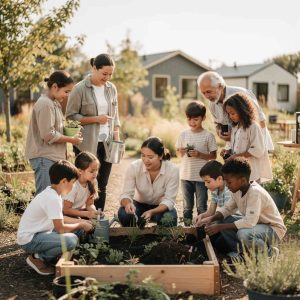
Good environmental education is one that does not only look at theory but also looks at solutions. The development of responsible practices covering the topics of conservation of resources, waste management, renewable energy, and the protection of biodiversity. These can be done at home, schools, and workplaces. Together, the hands-on approach and learning work closer for the purpose of environmental responsibility. That will eventually be a part of daily decision-making.
The Cultural Development of Sustainability
Policymakers, educators, and even civilians have unique roles in the establishment of community-based programs. It includes workshops, virtual materials, and outreach programs. So, for the purpose of the entire environmental goals, behavior is then adjusted. This collective responsibility enhances accountability and leads to the change in long-term behavior.
Developing Environmental Impact that is Measurable
Sustainable learning models are concerned with the end results and not immediate consciousness. Through community development, environmental education can help organizations to facilitate strong ecosystems, knowledgeable leadership and future generations who are environmentally aware.