Regenerative Forest Corridors Bringing Endangered Wildlife Back to Life
The global wildlife population faces the greatest challenges through disconnected forests. There are natural ways that inhibit wildlife movement such as roads, urban development, and agricultural areas. The good news is that environmental groups encourage pathways establishment to restore forests.
Corridors and Biodiversity in Urbanized Areas
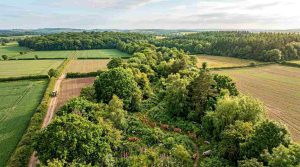
To get away from urban dangers, the forests became a safe haven for animals roaming from one place to another. Environmental groups are strategically planting native trees for the restoration of migration routes. The interconnected landscapes provide less stress to animal populations and promote greater genetic diversity.
Farmers in Achieving the Conservation Goals
A number of environmental initiatives are currently directly involving the rural farming communities around threatened forests. Native vegetation is encouraged for planting around property lines and riverbanks for farmers. These collaborations provide economic opportunities, and they increase habitats for birds, mammals and pollinators.
Reestablishing Linkages throughout Ecosystems
There are other advantages to forest connections apart from protecting animals, as they also help maintain the regional climates. With more trees around, there will be less carbon dioxide, cooling of the environment, and cleaner air for the neighboring areas. Due to climate change concerns worldwide, linked ecosystems will become very important.
End Notes
Regenerative forest corridors are changing the future of environmental conservation efforts. They would serve to link fragmented habitats and assist with the natural recovery of animal populations over time. The success of any ecosystem is dependent upon the efforts of the local community, the scientific community, and policy makers. Forest corridors may well become an important part of biodiversity conservation in the future.