Urban Wetlands: The Battlefield Against Climate Change
At a global scale, the prospects are bleak in cities that have heavy flooding, temperature rises, and dwindling biodiversity. Wetlands are being rebuilt in order to help the people adapt to the adverse effects of climate change. Because of the inherent capability of wetlands in soaking up extra rainfall, moderating temperature changes, and attracting animals, they are valuable resources for today’s urban cities. Wetlands in cities will be highly significant as urban planning becomes increasingly environmentally aware.
Restoring Nature Amidst Concretes Streets
In the past, wetlands were converted into roads, buildings, and business areas. However, in modern times, planners are now reconstructing water systems and marshlands. These remediated spaces relieve storm water pressure, and provide a healthier habitat to support people and wildlife.
Public Parks with an Environmental Purpose
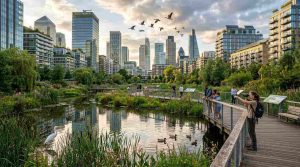
This wetlands park of today’s time is quite unique in terms of recreation and conservation of the ecological environment. These people can walk around, cycle, watch nature, and learn more about sustainable living and climate change. The communities will always embrace policies that promote environmental protection if they have felt firsthand the effects of having revived environments.
End Notes
Urban wetlands are no longer seen as ‘wasted’ land, or development barriers. They are now one of the most powerful natural barriers to climate change environmental problems. Urban wetlands have better flood mitigation, biodiversity, and aesthetically pleasing urban landscapes. It appears that urban wetlands will become an important component of city design in view of the ever-changing landscape of climate change adaptation policies.